Types of Vision Correction Surgeries

Vision correction surgery is an ophthalmic procedure performed to achieve clear vision without glasses or contact lenses. It has steadily advanced over several decades. Modern vision correction techniques offer a variety of options tailored to each individual’s eye condition and lifestyle, with each method having its own advantages, limitations, and indications.
Because the structure and condition of the eyes vary greatly from person to person, no single procedure can be the best choice for everyone. Therefore, it is essential to undergo a thorough pre-operative examination to determine the most suitable option for each patient.
 |
| ▲ Myopic regression caused by excessive regeneration of the corneal epithelium |
Most patients are primarily concerned about how stable their vision will remain after surgery and the possibility of long-term side effects. In particular, many worry about myopic regression—a gradual decline in vision over time—which can vary depending on the condition of the cornea at the time of surgery, the type of procedure chosen, and post-operative lifestyle management.
 |
| ▲ Myopic regression caused by deformation and displacement of the corneal epithelium |
 |
| ▲ Corneal thickness changes after vision correction surgery |
 |
| ▲ Corneal tissue removal sites by type of laser vision correction surgery, with SMILE performed without removing the corneal epithelium |
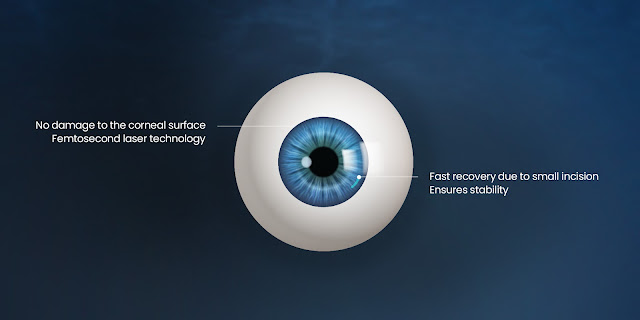
Because this method does not require the creation of a flap, it enhances the structural stability of the cornea. The small incision also makes the cornea more resistant to external trauma. In addition, the risk of postoperative dry eye is reduced, recovery is fast, and there is minimal discomfort. Since the corneal epithelium is not disturbed, complications related to epithelial healing and the risk of myopic regression are comparatively lower. However, there are still some technical limitations in correcting high astigmatism, and the procedure may not be suitable for certain eye structures.
-
LASIK – for those who prioritize rapid recovery and comfort
-
LASEK – for patients with thin corneas or who need stronger resistance to external trauma
-
SMILE – for those who want reduced incision size and lower risk of complications
Postoperative lifestyle management is also essential. Excessive smartphone use, reading in poor lighting, or prolonged near work can negatively affect recovery and long-term vision stability. Regular eye examinations and healthy visual habits are crucial for maintaining results.
Vision correction surgery is not only about improving eyesight, but also about enhancing quality of life. It is recommended to carefully consider the differences among procedures, evaluate personal conditions, and make a decision after thorough consultation and detailed examination.

Comments
Post a Comment