Difference Between Presbyopia and Cataracts
 |
| Left: Normal Vision / Right: Presbyopic Vision |
 |
| Left: Normal Vision / Right: Cataract Vision |
Presbyopia and cataracts may look similar, but their causes are different.
Presbyopia is a condition in which near vision declines due to a gradual decrease in the eye’s focusing ability as we age. It is generally considered a natural aging process that appears after the age of 40. However, with the increased use of smartphones, tablets, and other near-vision tasks, so-called “early presbyopia” is becoming more common even among people in their 30s and 40s.
Cataracts, on the other hand, are caused by degeneration of proteins inside the crystalline lens, leading to reduced transparency of the lens. This results in an overall cloudy or hazy vision. Unlike presbyopia, cataracts can occur regardless of age, and because symptoms progress gradually, they are often mistaken for simple presbyopia and left untreated in the early stages.
While presbyopia primarily causes blurred vision when viewing close objects, cataracts are associated with a general decline in visual quality, including glare, reduced contrast sensitivity, and changes in color perception. Because the causes and treatment approaches differ, accurate differentiation and diagnosis are essential.
Presbyopia Correction Options Without Cataract Surgery
One method to fundamentally improve presbyopia is presbyopia lens implantation surgery. This procedure corrects presbyopia by implanting a special lens inside the eye without removing the natural crystalline lens, making it possible to address presbyopia without cataract surgery.
In the past, presbyopia correction typically required cataract surgery with implantation of a multifocal intraocular lens. In contrast, lens implantation surgery preserves the natural lens. The implanted lens can be removed if necessary, offering high reversibility, and it can also be used as an additional corrective option for patients who have already undergone monofocal cataract surgery.
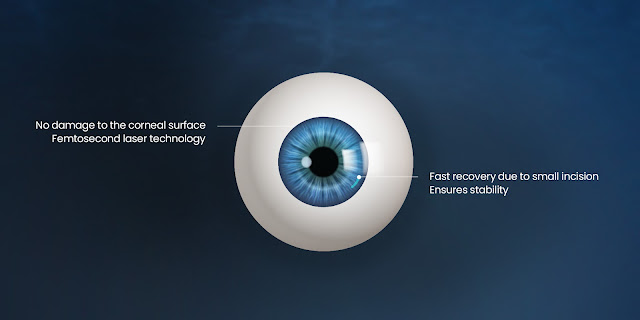
In addition, this procedure often involves minimal corneal incision and is performed without iris incision, reducing stress on the cornea. It is therefore considered a relatively safe option even for patients with thin corneas or a history of previous vision correction surgery.
The Importance of the Artiplus Lens and Extensive Clinical Experience
The Artiplus lens is an anterior chamber presbyopia-correcting lens that combines the benefits of refractive implantable lenses with multifocal technology for presbyopia correction. Its CTF (Continuous Transitional Focus) technology is designed to facilitate smooth visual transitions according to viewing distance and pupil size, reducing visual strain in daily life.
The safety of this technology has been validated through long-term clinical data, but actual surgical outcomes can vary significantly depending on the surgeon’s experience and the precision of preoperative evaluation. Therefore, not only lens selection but also the surgeon’s expertise and accumulated clinical experience are critically important.
Bright Eye Clinic Gangnam has built extensive experience with Artiplus lens implantation surgery and focuses on improving the safety and patient satisfaction of presbyopia correction through customized treatment plans that take into account each individual’s eye condition and lifestyle.
Rather than dismissing presbyopia symptoms as a minor inconvenience, it is important to receive an accurate diagnosis and consult about the most suitable treatment option. As eye health choices may become more limited over time, early management can help maintain long-term visual quality.

Comments
Post a Comment