Causes, symptoms, types, and treatment methods of glaucoma

Glaucoma is an optic nerve disease that causes functional abnormalities of the optic nerve and leads to visual field defects.
The optic nerve is responsible for transmitting visual information to the brain. When its function is impaired, visual field loss occurs, and in the advanced stages, it can result in loss of vision.
Causes of Glaucoma
This condition occurs when intraocular pressure (the normal range is 10–21 mmHg) rises suddenly. Glaucoma may also develop even when intraocular pressure is within the normal range if there is impaired blood flow to the optic nerve. In addition, a family history of glaucoma may increase the risk.
Symptoms of Glaucomanormal eye eye with glaucoma


-
Common symptoms: Various symptoms may accompany the condition, including decreased vision, headache, nausea/vomiting, eye redness, shoulder stiffness, and eye pain.
-
Symptoms as the disease progresses: The peripheral visual field may become blurry or dark, lights may appear to scatter, and halos may be seen around lights. A foreign body sensation in the eye and frequent redness may occur, and increased intraocular pressure may be felt when straining the body.
Types of Glaucoma
Glaucoma is classified into chronic glaucoma and acute glaucoma.

Chronic glaucoma (open-angle glaucoma):
The condition develops while the anterior chamber angle remains open and structurally normal. Because there are no noticeable symptoms in the early stages, diagnosis is often delayed.

Treatment of Glaucoma
-
Medication therapy: The most common initial treatment, using eye drops to lower intraocular pressure.
-
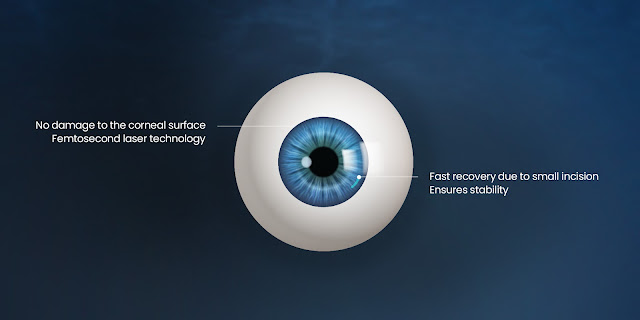
Laser treatment: Uses laser therapy to improve the outflow of aqueous humor.
-
Surgical treatment: If intraocular pressure cannot be controlled with medication or laser therapy, surgical procedures may be used to facilitate aqueous humor drainage.
Prevention of Glaucoma

Comments
Post a Comment