SMILE Pro: Excellent for Astigmatism Correction

In modern society, the use of digital devices such as smartphones, computers, and tablets has become an integral part of everyday life, leading to a growing number of people experiencing vision-related discomfort.
Astigmatism, which can cause objects at both near and far distances to appear blurry or distorted, is a common vision problem that affects many people.
In addition to reducing visual clarity, astigmatism can interfere with various daily activities, including reading, driving, and working. In this article, we will take a closer look at the symptoms and causes of astigmatism, as well as SMILE Pro, an advanced vision correction procedure that may be used to correct astigmatism.

Symptoms and Causes of Astigmatism
Astigmatism is a refractive error that makes it difficult to see objects clearly. In a normal eye, light passing through the cornea and lens is focused precisely on a single point on the retina, producing clear vision. In eyes with astigmatism, however, the cornea has an irregular curvature, causing light to focus at multiple points instead of one. As a result, vision becomes blurred or distorted.
Common symptoms of astigmatism include:
- Blurred or distorted vision at both near and far distances
- Letters or objects appearing doubled or shadowed
- Eye strain and frequent headaches
- Reduced night vision or increased difficulty seeing in low-light conditions
Astigmatism can result from a variety of factors, including genetics, the natural shape of the eye, eye injuries, or corneal diseases. If left uncorrected, significant astigmatism can interfere with daily activities and reduce overall quality of life.

Treatment Options for Astigmatism
The most common methods for correcting astigmatism are eyeglasses and contact lenses. Specially designed toric lenses compensate for the eye's irregular refractive power, allowing light to focus more accurately on the retina and improving visual clarity.
However, glasses and contact lenses provide only temporary vision correction. Some people may experience inconvenience, dry eyes, or a foreign body sensation, particularly with prolonged contact lens wear.
In recent years, rigid gas permeable (RGP) contact lenses have also become an effective non-surgical option for certain patients. Individually fitted based on the shape and characteristics of the cornea, RGP lenses can provide excellent visual quality, especially for patients with higher degrees of astigmatism or irregular corneas.
For those seeking a long-term solution rather than temporary vision correction, surgical options such as laser vision correction or implantable collamer lens (ICL) surgery may be considered. Laser vision correction reshapes the cornea to correct its refractive power, with common procedures including LASIK, LASEK, and SMILE.
Among these options, SMILE Pro has recently attracted significant attention for its ability to provide highly precise correction of both myopia and astigmatism. Using the latest femtosecond laser technology, SMILE Pro offers enhanced precision, faster treatment, and accurate centration, making it an excellent option for suitable candidates with astigmatism.


Astigmatism Correction with SMILE Pro
SMILE Pro is the latest evolution of SMILE laser vision correction, performed using the ZEISS VisuMax 800 femtosecond laser. It is designed to provide highly precise, minimally invasive, and stable vision correction for patients with myopia and astigmatism.
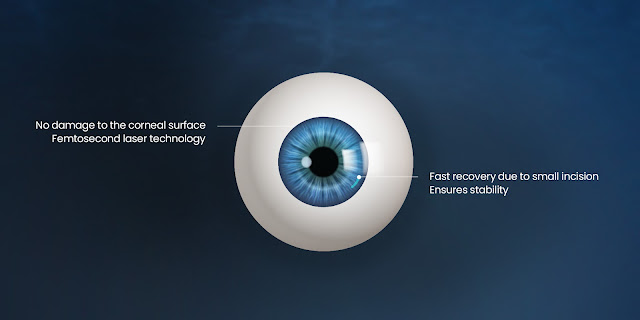
Compared with earlier laser vision correction procedures, SMILE Pro requires only a small corneal incision. A precisely created lenticule (a thin layer of corneal tissue) is removed through this tiny opening to reshape the cornea and correct refractive errors.
One of SMILE Pro's key advantages is the incorporation of OcuLign® technology, which enables more accurate alignment of the astigmatic axis. By accounting for each patient's unique astigmatism, the procedure provides highly individualized and precise correction.
In addition, CentraLign® technology continuously tracks subtle eye movements throughout the procedure, allowing real-time centration and enhanced surgical accuracy. This helps minimize potential treatment errors and contributes to excellent visual outcomes and long-term stability.
Key Benefits of SMILE Pro
✔ Minimally invasive procedure with a small corneal incision for faster recovery
✔ Personalized alignment of the astigmatic axis for precise correction
✔ High accuracy in correcting both myopia and astigmatism
✔ Stable and long-lasting visual outcomes
✔ Real-time eye tracking and centration for enhanced surgical precision
SMILE Pro may also be a suitable option for some patients with higher degrees of astigmatism or relatively thin corneas, depending on the results of a comprehensive eye examination. An individualized evaluation is essential to determine the most appropriate treatment.
Is SMILE Pro Right for You?
Astigmatism is one of the most common refractive errors and can significantly affect everyday activities by causing blurred or distorted vision. While glasses, soft contact lenses, and rigid gas permeable (RGP) lenses can effectively correct vision, they do not treat the underlying refractive error.
For patients seeking greater visual freedom, procedures such as laser vision correction or implantable collamer lens (ICL) surgery may be appropriate options. Among laser procedures, SMILE Pro has emerged as an advanced solution, offering exceptional precision in astigmatism correction while preserving more of the cornea through its minimally invasive approach.
If astigmatism is affecting your quality of life, a comprehensive eye examination and consultation with an experienced ophthalmologist can help determine whether SMILE Pro is the right option for you. With the appropriate treatment, many patients are able to achieve clearer, sharper vision and enjoy greater visual comfort in their daily lives.


Comments
Post a Comment