When Is It Safe to Shower After SMILE Surgery? Timing and Helpful Tips

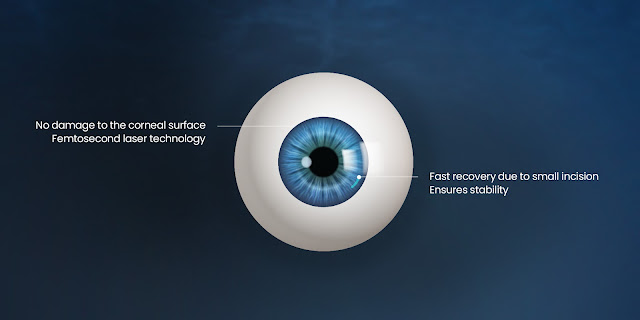
One of the major advantages of vision correction surgery is that it allows patients to return to their daily routines relatively quickly. Many people choose the procedure because they have heard that it involves a relatively small corneal incision, resulting in less discomfort and a faster recovery.
However, no matter how rapid the recovery may be, proper postoperative care during the early recovery period is extremely important because the procedure directly affects the health of the eyes.
One of the most common concerns after surgery is when and how patients can safely wash themselves. Getting water into the eyes while washing the face, shampooing the hair, or taking a shower may increase the risk of infection or inflammation. Therefore, it is important to know exactly when it is safe to shower and how to do so properly after surgery.

Wondering When You Can Wash Your Face and Shower After Surgery?
In general, after your follow-up examination the day after surgery, if there are no significant problems, you may be able to take a light body shower or allow water to run over areas below the neck. However, you should be more cautious about washing your face with water directly or shampooing your hair, as these activities may increase the risk of getting water or other substances into the eyes.

In general, showering after SMILE surgery is permitted from the day after surgery, but initially, it should be limited primarily to the body. Particular care should be taken to prevent water or soapy water from splashing directly into the eyes. On the day of surgery, to completely avoid the risk of getting water into the eyes, it is safer to gently clean the face using cleansing wipes or a damp towel rather than washing it with water.
For several days after surgery, the tiny incision may remain vulnerable to bacterial infection until it has fully re-epithelialized. Therefore, it is also important to pay attention to the hygiene and cleanliness of any water that comes into contact with the face or body.
Tips for Protecting Your Eyes from Water
When washing or rinsing your hair, an effective way to protect your eyes is to tilt your head backward, similar to the position used at a hair salon, and have someone assist you. You can also use a face shield or protective cap designed to keep water away from the eye area.
In particular, when showering after SMILE surgery, steam and humidity from warm water may irritate the eyes. It is therefore advisable to shower in a well-ventilated environment and use comfortably warm rather than excessively hot water.
If soap, body wash, or other cleansing products get into the eyes, they can cause significant irritation and may trigger an instinctive urge to rub the eyes. Eye rubbing is one of the behaviors that should be avoided most carefully during the recovery period, as it may irritate or injure the incision site and potentially interfere with healing.
Therefore, when washing your hair or showering, keep your head tilted backward rather than bending it forward, and rinse slowly and carefully to minimize the chance of water or cleansing products entering the eyes.

Everyday Precautions to Support Visual Recovery
After about a week, everyday washing and gentle face washing can generally be resumed with much greater freedom. However, for safety, it is advisable to avoid environments where the eyes may be exposed to contaminated water for extended periods — such as soaking in a bathtub, visiting a sauna, or swimming in a pool — for at least one month.
In addition to following proper showering precautions after SMILE surgery, it is very important to use any prescribed anti-inflammatory and antibiotic eye drops consistently and at the scheduled times, as directed by your ophthalmologist.
Dry eyes can slow the recovery process and worsen the sensation of a foreign body in the eye, so it is also important to use artificial tears as needed to keep the eyes adequately lubricated.
By carefully following these precautions and protecting your eyes throughout the recovery period, you can help support a smooth recovery and maintain clear, healthy vision over the long term.

Comments
Post a Comment